


Hearing loss occurs as a result of a disruption in one or more stages of the auditory process—whether in the transmission of sound to the ear, its amplification in the middle ear, its conversion into neural signals in the inner ear, or its interpretation by the brain. Hearing is, in fact, a highly complex chain: the outer ear collects sound, the middle ear amplifies vibrations, the inner ear generates neural signals, and the brain gives meaning to those signals.
A disruption at any point in this process may cause sounds to be perceived as quieter, muffled, distorted, or unclear.
Hearing loss does not only reduce hearing levels; it also affects speech clarity, increases listening effort, and places a greater cognitive load on communication. Many individuals seek help with the complaint, “I can hear, but I can’t understand.” This is because the real challenge is often not the volume of sound, but the brain’s difficulty in interpreting what it hears.
Common causes of hearing loss include age-related inner ear damage, prolonged exposure to noise, infections, earwax blockage, genetic factors, and side effects of certain medications.
When not detected early, hearing loss can lead to reduced social interaction, fatigue, mental strain, and a decline in overall quality of life.
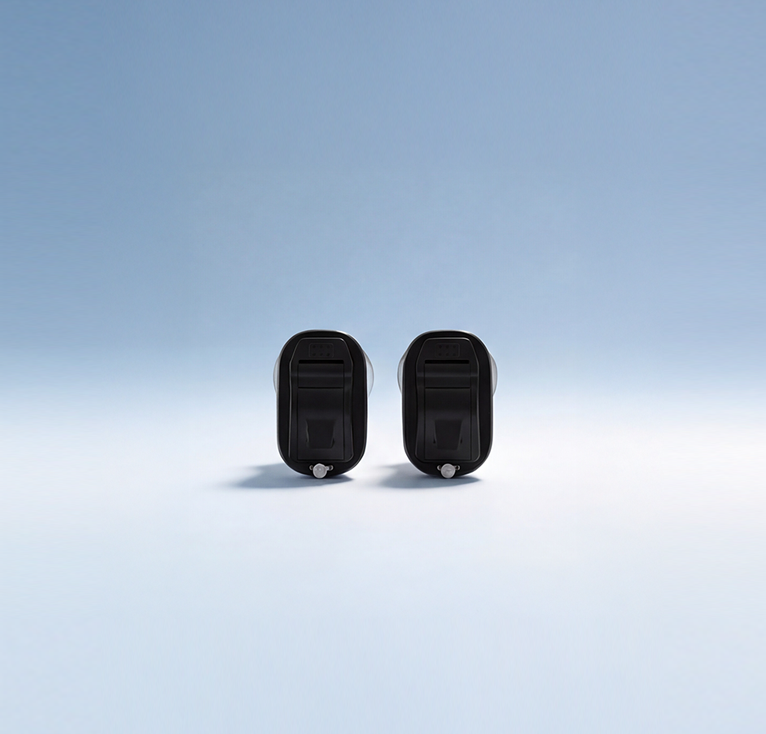
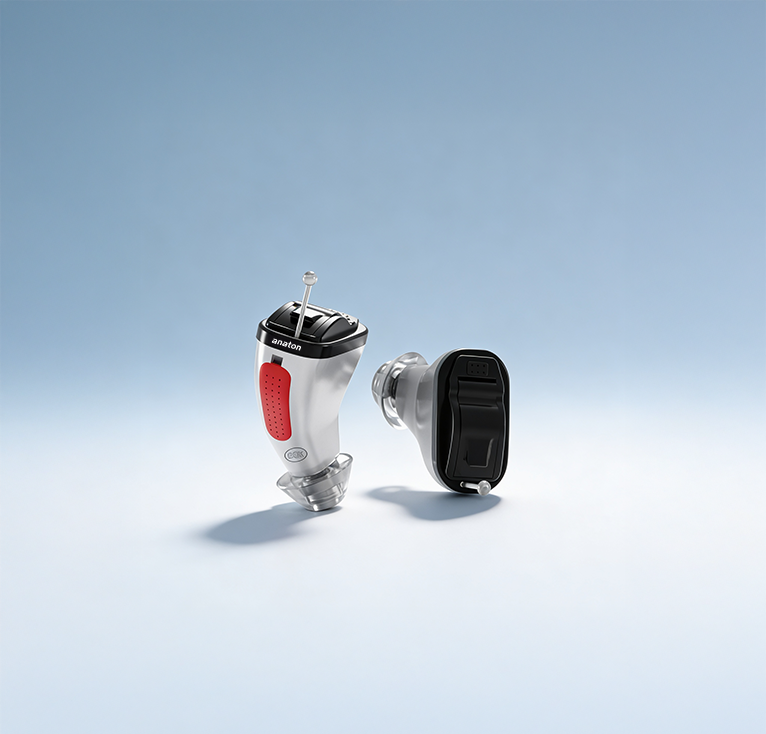
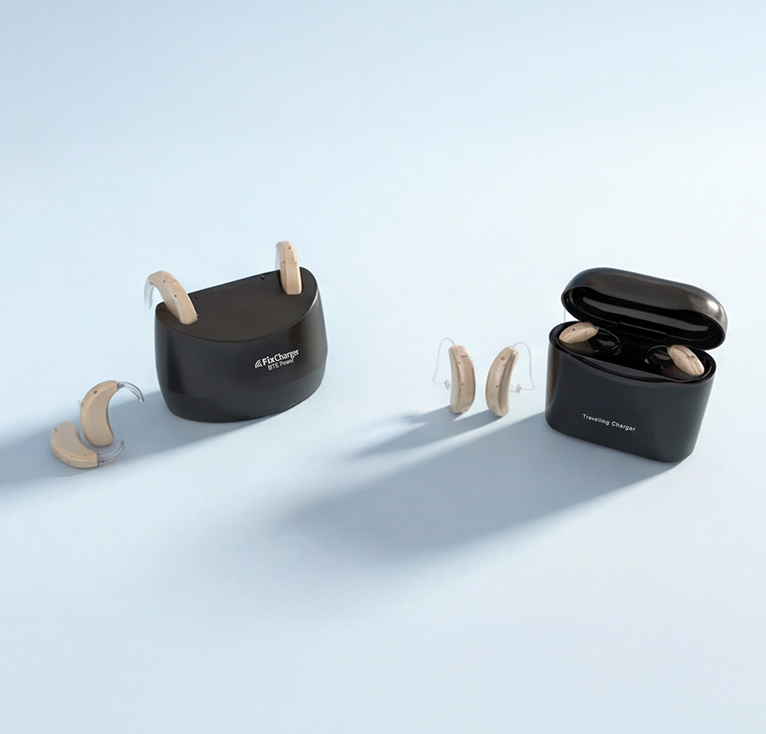
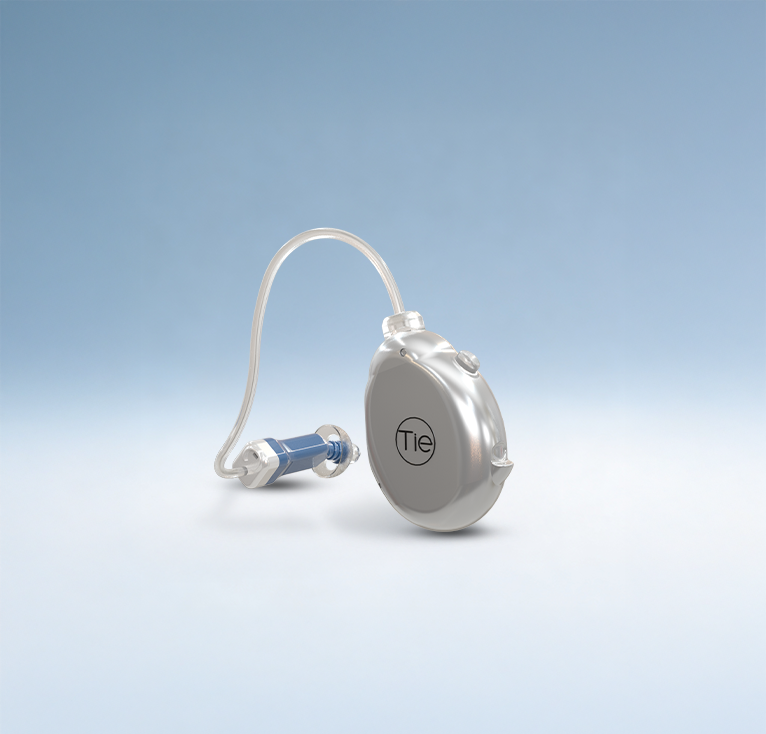
Anaton hearing aids significantly reduce the everyday impact of hearing loss through natural sound processing, intelligent noise reduction, Ear-to-Ear communication, and personalized fitting options, helping users reconnect with clearer and more comfortable hearing in daily life.
Frequently Asked Questions
Can hearing loss be completely cured?
In some cases, hearing loss can be improved with medical treatment. However, when hearing loss is caused by inner ear damage, the most effective solution is the use of hearing aids.
Can noise really cause permanent hearing loss?
Yes. Prolonged exposure to loud noise can cause permanent damage to the sensory cells in the inner ear, leading to irreversible hearing loss.
Can hearing loss occur in young people as well?
Absolutely. Frequent use of headphones at high volume levels is a major factor contributing to hearing loss among younger individuals.
Is it possible to have hearing loss in only one ear?
Yes. Unilateral hearing loss is quite common and should always be evaluated by a hearing care professional.
What happens if hearing loss is ignored?
Over time, communication difficulties increase, leading to social withdrawal, mental fatigue, and a noticeable decline in quality of life.